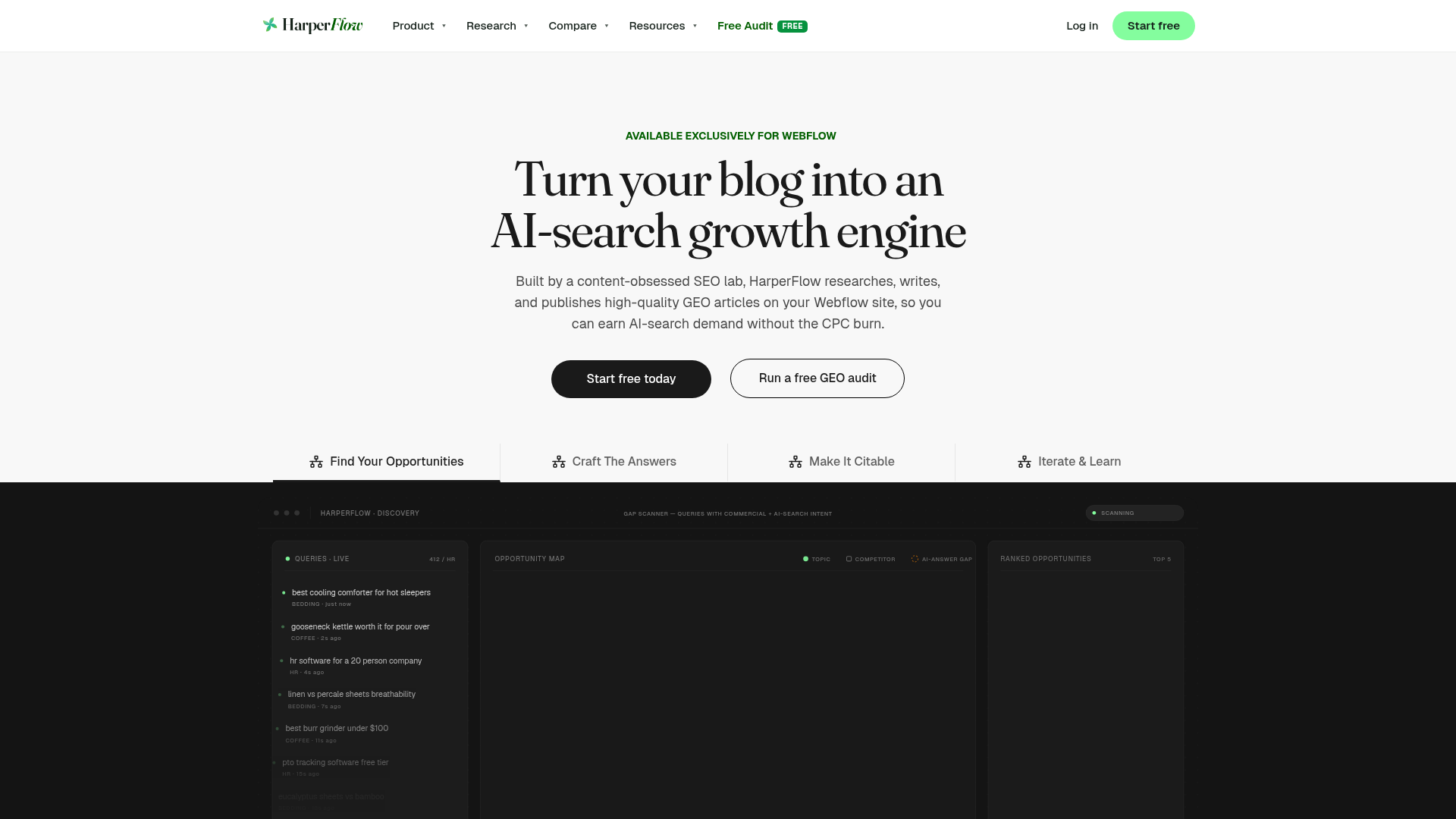
What is HarperFlow?
HarperFlow is an AI-powered GEO (Gap Engineered Opportunity) publishing system designed for the AI-search era. It is not just another AI content writer; it is a complete, automated pipeline that helps businesses build a content asset library that AI assistants like ChatGPT, Claude, and Google AI understand, trust, and cite. By moving beyond traditional SEO and generic AI content, HarperFlow systematically discovers high-intent search opportunities, crafts thoroughly researched and cited answers, publishes them directly to your CMS (like Webflow), and learns from each piece to compound your site's authority and organic traffic over time.
What is the main feature of HarperFlow?
HarperFlow distinguishes itself through a comprehensive, automated pipeline focused on creating ### citation-ready, research-backed content assets. Its core features include:
- AI-Search Gap Scanner & Opportunity Discovery
- Continuously scans search queries and AI answers to identify high-intent topics where your competitors lack credible, cited information. It finds the precise gaps where your content can become the authoritative source.
- Evidence-Based Article Forge
- Each article is built from verified sources. The system researches topics, distills claims from primary sources (like lab reports and peer-reviewed studies), and structures content with TL;DR summaries, data tables, FAQs, and proper citation architecture.
- Source-to-Snippet Graph
- Creates concise, source-backed answer blocks specifically designed to be lifted and quoted by AI answer engines, turning your content into a direct source for AI responses.
- Content Memory Loop
- A learning system that remembers every article published. It maps topic clusters, suggests new content that builds on past work, and automatically creates internal links to strengthen your site's topical authority.
- Automated Webflow CMS Publishing
- The full pipeline—from research to formatting—outputs directly into your Webflow CMS with 33 mapped fields. This includes SEO metadata, styled content blocks, generated images, and internal links, requiring zero manual formatting or publishing work.
- Brand Voice Memory
- Ensures every article aligns with your specific brand positioning, audience tone, and content rules, maintaining consistency across all automated content.
How to use HarperFlow?
Using HarperFlow is designed to be a hands-free system for sustainable content growth:
- Integration: Connect HarperFlow to your Webflow site. The system maps to your CMS structure.
- Opportunity Audit: HarperFlow's scanner analyzes your niche, identifying high-opportunity, low-competition topics based on search intent and AI-answer gaps.
- Pipeline Activation: Approve the content calendar generated from these opportunities. The pipeline then automatically queues, researches, writes, cites, and formats each article.
- Automated Publishing: Articles are published directly to your blog on a set schedule (e.g., 10 articles per month, published about every 3 days). Each piece is complete with research, citations, formatting, and SEO optimization.
- Compounding Growth: The Content Memory Loop learns from each published article, intelligently planning future content to build on existing clusters and authority, turning your blog into a compounding asset.
How much does HarperFlow cost?
HarperFlow operates on a simple subscription model based on the volume of articles published per month. All plans include the complete GEO publishing system.
Launch Pricing (Available until December 1st):
- 5 articles/month
- $62 per month ($12.40 per article)
- 10 articles/month
- $119 per month ($11.90 per article) - ### Recommended for steady, hands-free publishing.
- 20 articles/month
- $218 per month ($10.90 per article)
- 30 articles/month
- $297 per month ($9.90 per article)
You can select your desired volume, and the subscription renews at that level until you change it. Upgrades or downgrades are flexible.
Helpful tips for using HarperFlow
- Trust the Process
- HarperFlow is built as a full-service system. The most significant benefit comes from letting the automated pipeline run consistently, building a library of interconnected, high-quality assets over months.
- Focus on High-Intent Niches
- The GEO scanner excels in commercial niches like B2B SaaS, e-commerce, and direct-to-consumer brands where customers ask specific, high-intent questions (e.g., "best HR software for 20 person company," "linen vs percale breathability").
- Leverage the Memory
- The more you publish with HarperFlow, the smarter it gets. The Content Memory Loop ensures your content strategy becomes more focused and effective over time, systematically filling knowledge gaps in your domain.
- Monitor AI Visibility
- Use the insights from your published, cited content to track how often your brand becomes a source for AI answers, which is the new frontier of organic visibility.
Frequently Asked Questions (FAQ)
How is HarperFlow different from other AI writers like Jasper or ChatGPT?
HarperFlow is not a draft generator. It is an automated publishing service. While tools like Jasper help you write, HarperFlow handles the entire workflow: discovering what to write about based on data, conducting research, verifying sources, structuring content for AI citation, formatting for your CMS, and publishing it—all without manual intervention.
Does HarperFlow only work with Webflow?
Currently, yes. HarperFlow is built as a native publishing pipeline for Webflow CMS, with deep integration into its 33-field structure. This allows for seamless, fully formatted publishing directly from the pipeline.
Will the AI-generated content hurt my site's SEO?
No. HarperFlow creates the opposite of generic, thin AI content. It produces ### evidence-based content with multiple primary citations, original data presentation, and strong E-E-A-T (Experience, Expertise, Authoritativeness, Trustworthiness) signals. This is precisely the type of content that modern search and AI algorithms reward with visibility and citations.
Can I review articles before they are published?
Yes. HarperFlow includes a quality gate and provides full visibility into the pipeline. You can review and veto any article before it is scheduled for publication, giving you complete control over the final output.
What is a "citation gap" or "AI-answer gap"?
This refers to a search query where existing online content—especially answers provided by AI assistants—lacks proper citations or relies on thin sources. HarperFlow's scanner identifies these gaps as prime opportunities to create content that becomes the new, trusted source that AI engines will cite.
What happens after my initial articles are published?
HarperFlow's ### Content Memory Loop activates. It analyzes the performance and connections of your published content, then recommends and queues follow-up articles that deepen your authority on specific topic clusters, ensuring your content strategy compounds intelligently.
HarperFlow
Turn your blog into an AI-search growth engine. HarperFlow researches, writes, and publishes cited GEO articles to your Webflow site on autopilot.
 Bootstrap:5
 Cloudflare
 Google Font API
 Google Hosted Libraries
 Trustpilot
 jQuery:3.5.1
Free AI anime and manga generator. Turn text into anime episodes, manga, comics, webtoons and comic shorts in any art style — no drawing or animation skills needed.
Translate image text across 70+ languages with our advanced AI Image Translator to help you better expand your products globally to various countries
Advertised Here
Reach thousands of visitors daily. Get your spot now!
Tools similar to HarperFlow

AI-powered SEO expert and writer One-click content domination Blogcard lets you automatically generate optimized, high-quality content from just a URL. Boost your traffic and rankings effortlessly. Days Hours Minutes Seconds Start Free Trial https://videos.files.wordpress.com/u3ohLNpz/e68891e79a84e5bdb1e78987.mp4 Focus on creativity Blogcard frees you from repetitive work, allowing you to focus on creativity. No…
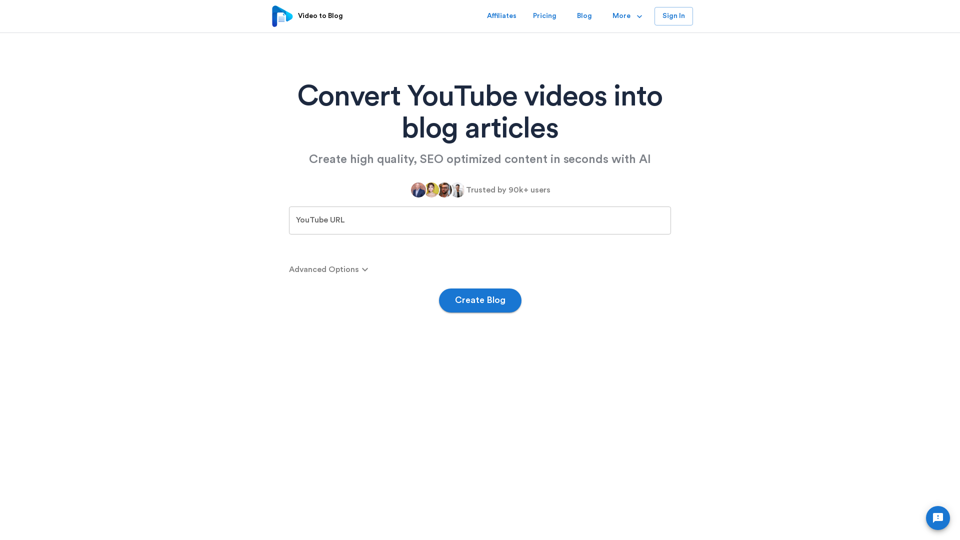
Convert videos into high quality, SEO optimized blog articles with AI. The #1 video to text converter. Great for summarizing YouTube videos. Free for 3 blogs/month.
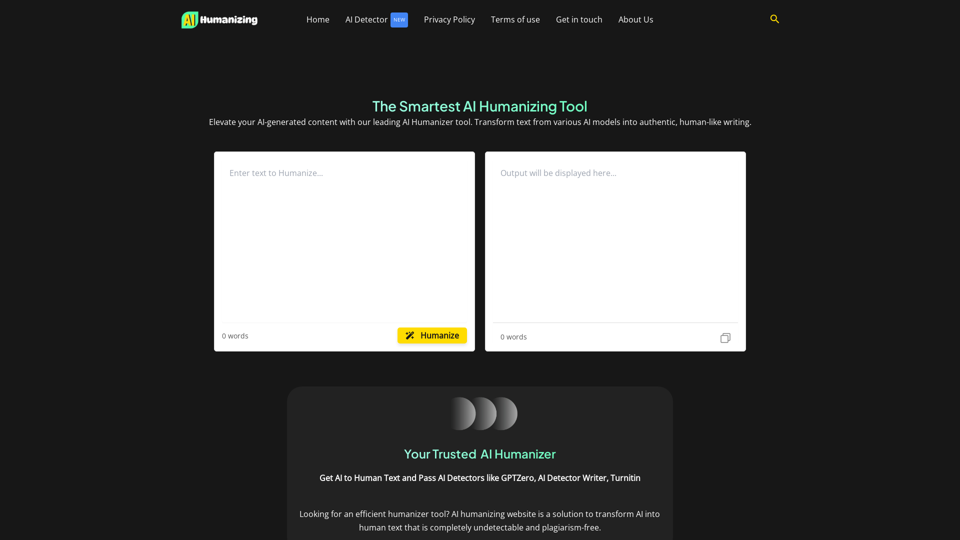
Looking for an efficient humanizer tool? AI humanizing website is a solution to transform AI into human text that is completely undetectable and
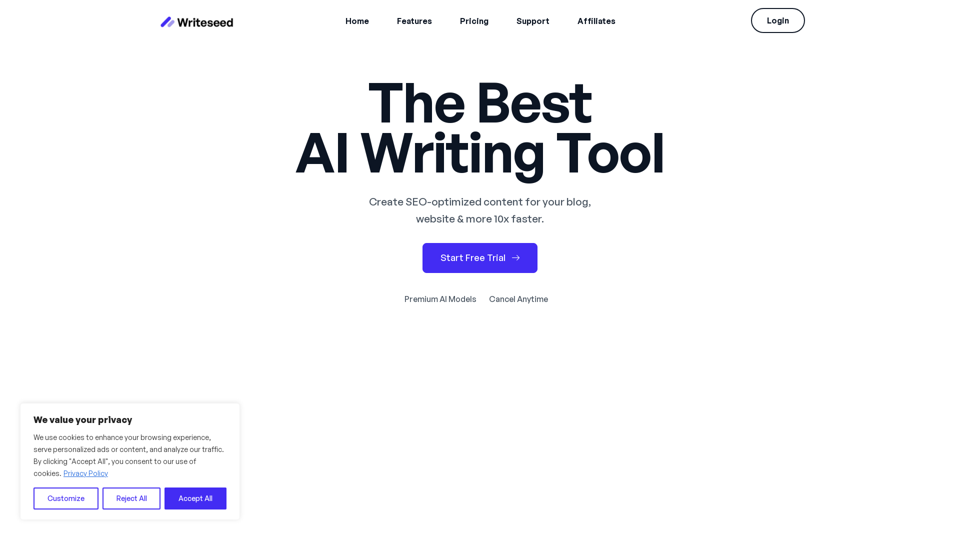

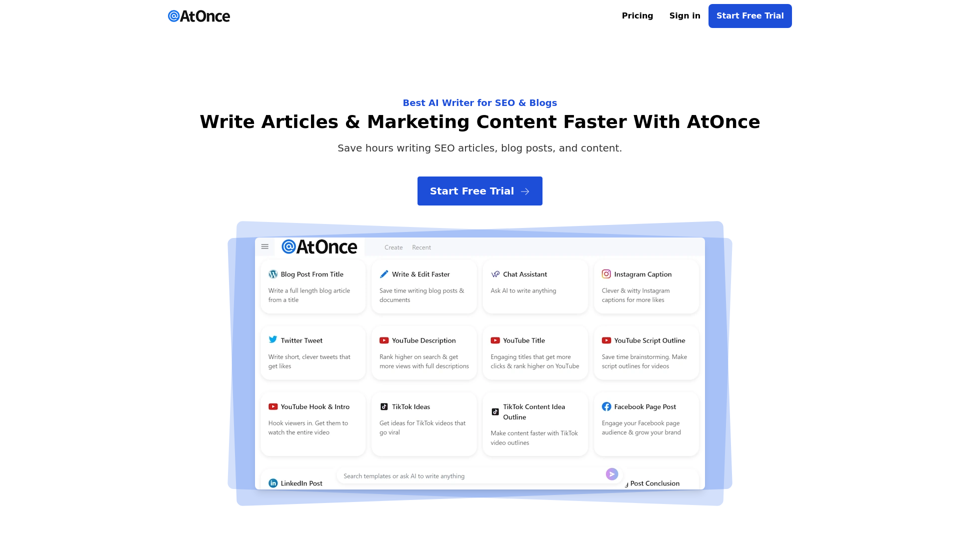

Unlock unparalleled creativity and elevate your online presence with TopWriter, the cutting-edge AI tool that effortlessly crafts compelling social media posts, captivating ads, conversion-optimized landing pages, and supercharges SEO for unrivaled digital success.