What is Unlearn.ai?
Unlearn.ai is an AI-powered clinical development platform that specializes in creating "Digital Twins" for clinical trial participants. At its core, the company leverages artificial intelligence, data, and machine learning to generate sophisticated forecasts of what a patient's health outcomes would look like if they received a standard-of-care treatment (the control). This technology is used to make clinical trials faster, smaller, less expensive, and more efficient. By replacing or augmenting traditional control arms with these AI-generated forecasts, Unlearn.ai helps biopharmaceutical companies accelerate drug development, from initial trial design through analysis. Their solutions are particularly impactful in complex disease areas like Alzheimer's, ALS (Amyotrophic Lateral Sclerosis), immunology, and metabolic diseases.
What are the Main Features of Unlearn.ai?
The platform's strength lies in its integrated suite of tools designed for the entire clinical development lifecycle.
- Digital Twins
- The flagship technology. Unlearn.ai creates AI-generated patient "twins" that serve as synthetic control arms. These twins are qualified by regulatory bodies like the European Medicines Agency (EMA) and align with FDA guidance, providing a scientifically rigorous alternative to traditional control groups.
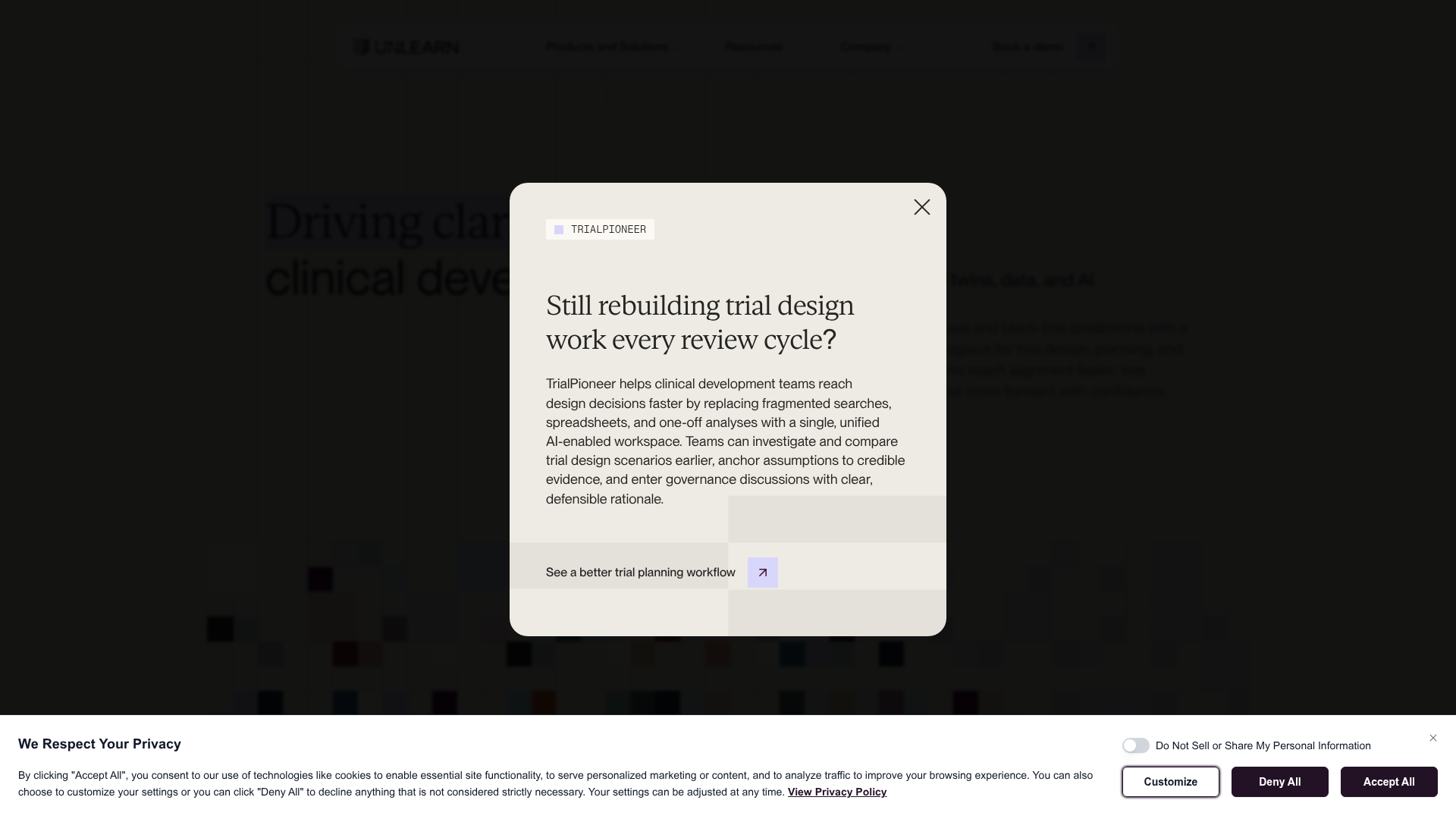
- TrialPioneer
- An AI-powered upstream workspace for trial design and planning. It replaces fragmented tools (spreadsheets, scattered searches) with a unified platform where teams can build, test, and compare different trial design scenarios.
- Integrated Modules within TrialPioneer
- Scout: An AI research assistant that continuously searches, structures, and summarizes relevant literature and regulatory precedent from sources like PubMed and ClinicalTrials.gov.
- Hindsight: A tool for exploring harmonized historical clinical trial and real-world data to validate assumptions about patient populations, endpoint behavior, and study feasibility.
- SimLab: A simulation environment for building and comparing different trial design scenarios (e.g., varying sample size, inclusion criteria) with every decision linked to underlying evidence.
- Digital Twin Generators (DTGs)
- Specialized AI models trained on vast, disease-specific datasets (e.g., for ALS or Alzheimer's) to produce the most accurate digital twins for particular therapeutic areas.
- Measurable Impact
- The platform delivers tangible results, such as significant reductions in control arm size (freeing up patients for treatment arms) and saving months of enrollment time, which translates directly into cost savings and faster time-to-market for new therapies.
How to Use Unlearn.ai?
Unlearn.ai operates primarily as a B2B (Business-to-Business) enterprise platform for pharmaceutical companies, biotech firms, and clinical research organizations.
- Enterprise Partnership: Companies engage with Unlearn.ai through direct partnerships and collaborations. The process typically begins with a consultation or booking a demo to discuss specific trial challenges.
- Integration into Trial Design: For new trials, sponsors can use ### TrialPioneer during the planning phase to design more efficient studies using historical data and simulations.
- Implementation in Active Studies: For ongoing trials, Unlearn.ai's ### Digital Twins can be integrated to strengthen the analysis. The AI forecasts are used as external comparators or to augment randomized control arms, improving the statistical power to detect a treatment effect.
- Accessing Tools: The ### TrialPioneer workspace and its modules (Scout, Hindsight, SimLab) are provided to client teams as a unified software platform, enabling collaborative and evidence-based trial planning.
- Regulatory Engagement: Unlearn.ai works with sponsors to ensure the use of digital twins is aligned with regulatory standards, having already achieved qualification from the EMA, which streamlines the path to acceptance in new drug applications.
What is the Price of Unlearn.ai?
Unlearn.ai does not publicly disclose its pricing structure. As an enterprise-grade AI solution provider in the highly specialized field of clinical development, pricing is customized based on the scope of the engagement. Factors influencing cost include:
- Therapeutic Area & Complexity
- Deploying a disease-specific Digital Twin Generator (DTG) for a rare condition may differ in cost from a more common disease.
- Scope of Services
- Costs will vary between using only the TrialPioneer design platform, implementing digital twins in a single trial, or establishing a broader multi-study partnership.
- Trial Phase and Size
- The scale of the clinical trial (Phase I, II, or III) and the targeted reduction in patient enrollment or time savings.
- Contract Duration
- Engagement may be per-project, per-trial, or involve longer-term strategic partnerships.
Interested organizations must ### "Get in Touch" or ### "Book a Demo" directly with the Unlearn.ai sales team to receive a tailored proposal based on their specific needs and objectives.
Helpful Tips for Using Unlearn.ai
- Start Early
- The greatest value is realized when Unlearn.ai's tools, especially TrialPioneer, are integrated at the earliest stages of trial design. This allows teams to test assumptions and optimize the protocol before it's finalized.
- Focus on Data-Rich Diseases
- Digital twin technology is most powerful in therapeutic areas with robust historical clinical data (e.g., Alzheimer's, ALS, multiple sclerosis). Prioritize exploring its application in these fields.
- Engage Regulators Proactively
- While Unlearn.ai's methodology is regulator-qualified, it's crucial for sponsors to include plans for using digital twins in early dialogues with agencies like the FDA and EMA to ensure alignment.
- Leverage the Integrated Workflow
- Move away from siloed tools. Use Scout, Hindsight, and SimLab within TrialPioneer as a connected workflow to ensure every design decision is traceable back to credible evidence.
- Quantify the ROI
- Frame the investment in terms of potential return. Highlight metrics like reduced sample size (fewer patients to recruit and monitor), shorter trial duration (faster time to readout), and increased probability of trial success.
Frequently Asked Questions (FAQs) about Unlearn.ai
Can I use Unlearn.ai for any disease?
Unlearn.ai initially focuses on disease areas with sufficient high-quality historical data to train reliable AI models. They have active programs in neuroscience (e.g., Alzheimer's, ALS), immunology, and metabolic diseases. Their library of Digital Twin Generators (DTGs) is expanding to cover more conditions.
Are Digital Twins accepted by regulatory agencies like the FDA?
Yes. Unlearn.ai's methodology for generating digital twins has received a Letter of Qualification from the European Medicines Agency (EMA). Their approach is also aligned with current FDA guidance on complex innovative trial designs and the use of external control arms. Early and transparent communication with regulators is always recommended.
How does Unlearn.ai ensure patient data privacy?
Unlearn.ai states that it highly values privacy. The AI models are trained on anonymized, aggregated historical trial data. When generating digital twins for a new trial, the technology creates synthetic forecasts without using the identifiable data of real participants in the ongoing study for model training.
What's the difference between TrialPioneer and the Digital Twins product?
TrialPioneer is an upstream planning and design workspace used *before* a trial starts to build better protocols. ### Digital Twins are used *during* an active trial to create synthetic control arms for analysis. They are complementary solutions across the development lifecycle.
Is Unlearn.ai replacing clinical trial patients?
No. Unlearn.ai is not replacing real patients in trials. It is augmenting the control arm. In many designs, it allows for a smaller traditional control group, enabling more patients to receive the experimental treatment. It provides a more precise benchmark against which to measure the experimental drug's effect, potentially leading to clearer, faster results.
Who are typical clients of Unlearn.ai?
Their clients range from large global pharmaceutical companies (like AbbVie) to innovative biotechnology startups (like QurAlis, remynd, Trace Neuroscience). They are the "AI partner of choice" for sponsors looking to modernize clinical development with cutting-edge technology.
Streamline Clinical Trials with AI and Digital Twins of Patients
Discover how Unlearn uses AI to create digital twins of clinical trial participants, streamlining clinical development and enabling confident decision-making.
 Unpkg
Unpkg Cloudflare
 Google Font API
 Google Hosted Libraries
 Google Tag Manager
 HTTP/3
 jQuery:3.5.1
 jsDelivr
Free AI anime and manga generator. Turn text into anime episodes, manga, comics, webtoons and comic shorts in any art style — no drawing or animation skills needed.
Translate image text across 70+ languages with our advanced AI Image Translator to help you better expand your products globally to various countries
Advertised Here
Reach thousands of visitors daily. Get your spot now!
Tools similar to Streamline Clinical Trials with AI and Digital Twins of Patients
Discover Windward's Maritime AI platform for real-time data insights and enhanced decision-making in trading, shipping, and logistics.
Product Managers used fforward's AI to analyze customer interviews and synthesize opportunities.
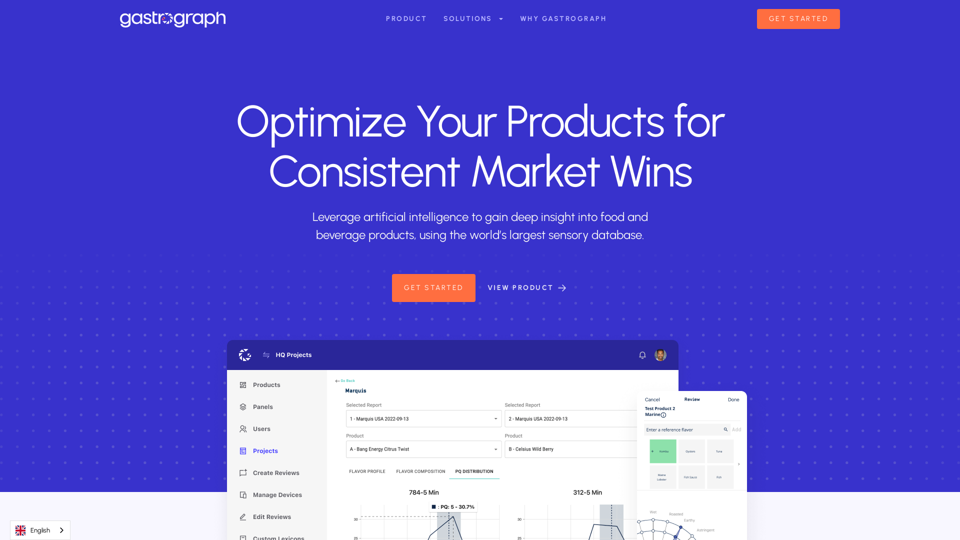
Leverage artificial intelligence to gain deep insight into food and beverage products, using the world’s largest sensory database.
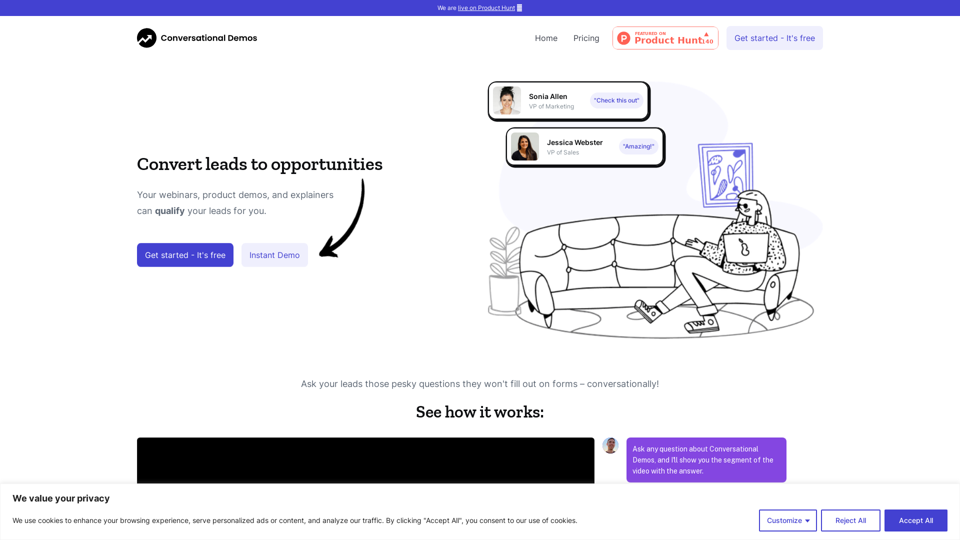
Conversational Demos helps you go from visitor to sales qualified leads – without SDRs.