Pipeless Agents
The computer vision platform. Make your world actionable. Connect video feeds and receive actionable data.
What is Pipeless Agents?
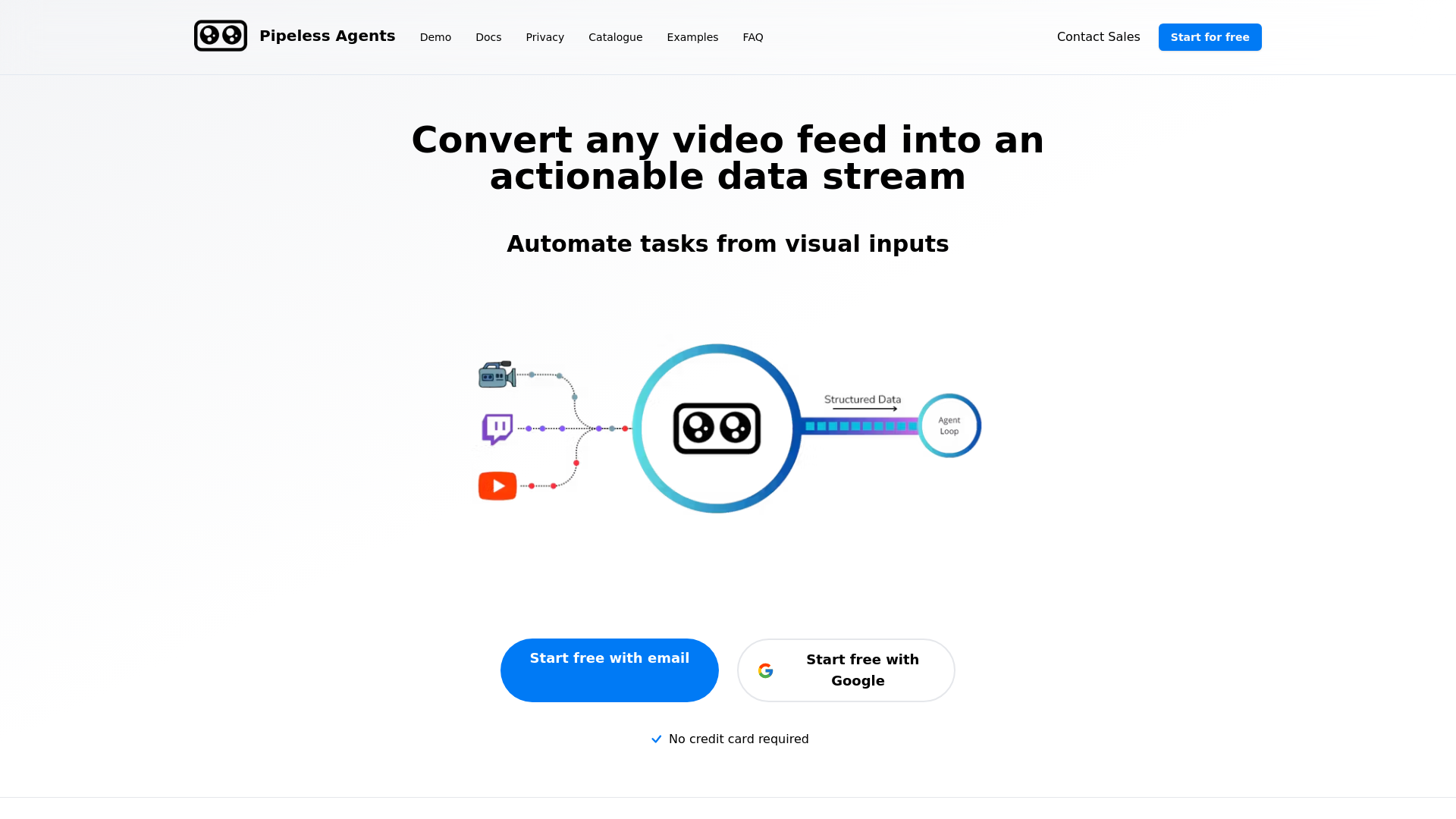
Pipeless Agents is a serverless platform for Vision AI that converts any video feed into an actionable data stream. It is built for developers and businesses that want to extract structured data and events from video sources and act on them automatically. Agents run as processing loops that stay in sync with your code repository, and pre-built agents can also be deployed with one click.
Key features
- Serverless Vision AI platform
- Pipeless Agents runs your vision workloads without you managing servers.
- Any video input source
- Connect IP cameras, online streaming platforms and other feeds.
- Automatic data extraction
- Filters extract structured data and events from each video source, and the agent receives that data.
- Code-driven agents
- An agent is a processing loop, and two lines of code are enough to start receiving data from pipelines.
- Repository-synced deployments
- Agent logic stays in sync with your code repository, so a deployment is just a push to your repo.
- Pre-built agent catalogue
- Ready-made agents cover use cases such as PPE monitoring, table occupancy, face blurring, checkout lines, customer segmentation and people recognition.
- Privacy controls
- No recordings are kept, frames are analyzed as they arrive and discarded instantly, feeds use end-to-end encryption, processing can run in custom regions, and Pipeless Agents can be deployed on your own infrastructure.
How to use Pipeless Agents
- Create a project. Each project consists of an agent and some video pipelines, and the agent processes all the project pipelines simultaneously.
- Connect your video sources. Pipeless Agents automatically extracts structured data and events from each source via filters, and the agent receives that data.
- Update your agent for your needs. With two lines of code your agent starts receiving data from the pipelines, and you can call webhooks, send messages, store information in a database or do whatever you can code.
- Deploy by pushing to your repository, since the agent logic stays in sync with your code repo.
- Alternatively, skip coding and deploy a pre-built agent from the catalogue with one click.
Use cases
- Industrial teams that need notifications when a worker is not wearing the required Personal Protective Equipment.
- Restaurants tracking how long people stay at a table.
- Retailers measuring time spent in checkout lines or segmenting customers by age and exporting the metrics to a data platform or Google Sheets.
- Offices that want Slack notifications when someone enters or exits the building.
- Home automation setups that open a garage door when a car arrives, smart city projects that close a semaphore when people are waiting, or environmental monitoring that sends an email when a wild bird lays an egg.
Pricing
The official website does not list plan prices. It offers a free start with email or Google, states that no credit card is required, and provides a contact sales form for business enquiries.
FAQ
Is Pipeless Agents free to use?
You can start free with email or Google and no credit card is required. The website does not list the prices of any paid plans, so check the official site or contact sales for details.
Do I need to know how to code to use Pipeless Agents?
Agents are code-driven and two lines of code are enough to start receiving data from your pipelines. If you do not want to code, Pipeless Agents offers a catalogue of pre-built agents that can be deployed with one click.
Are my videos private with Pipeless Agents?
Pipeless Agents keeps no recordings: video frames are analyzed as they arrive and discarded instantly. Feeds are connected using end-to-end encryption, and processing can be restricted to custom regions, for example to be GDPR compliant within the EU.
Which video sources can I connect to Pipeless Agents?
You can connect any input source, including IP cameras and online streaming platforms. Each connected source is processed by filters that extract structured data and events for your agent.
What is an agent in Pipeless Agents?
An agent is a processing loop that receives the data extracted by the filters from all pipelines in a project. From there it can call webhooks, send messages, store information in a database or run any other logic you write.
Can Pipeless Agents be deployed on premise?
Yes. For sensitive data or highly sensitive environments, Pipeless Agents can be deployed in your own infrastructure.
Pipeless Agents
The computer vision platform. Make your world actionable. Connect video feeds and receive actionable data.
 Cloudflare
 HTTP/3
 Vercel
Free AI anime and manga generator. Turn text into anime episodes, manga, comics, webtoons and comic shorts in any art style — no drawing or animation skills needed.
Translate image text across 70+ languages with our advanced AI Image Translator to help you better expand your products globally to various countries
Advertised Here
Reach thousands of visitors daily. Get your spot now!
Tools similar to Pipeless Agents
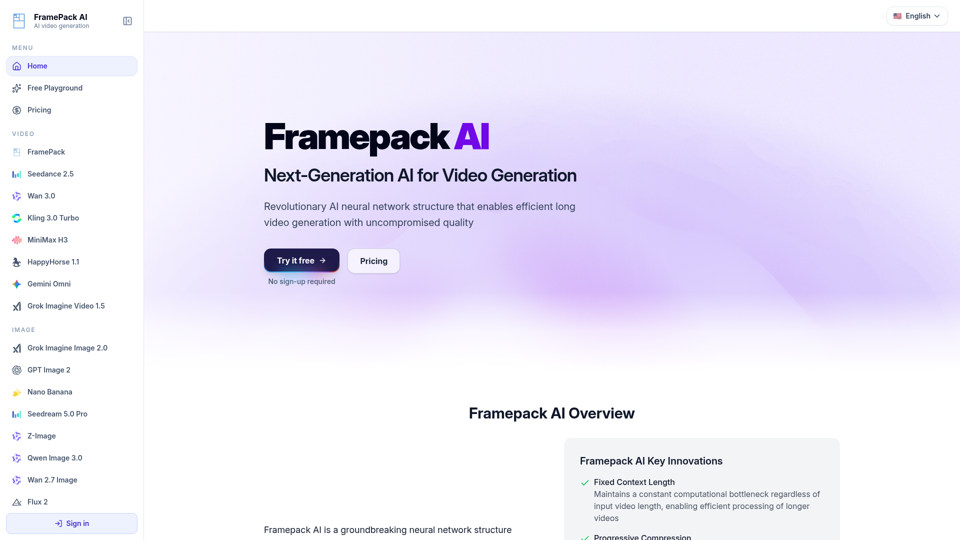
Framepack AI revolutionizes video generation with advanced neural networks. Create high-quality, long-form videos with uncompromised quality using our cutting-edge AI technology.
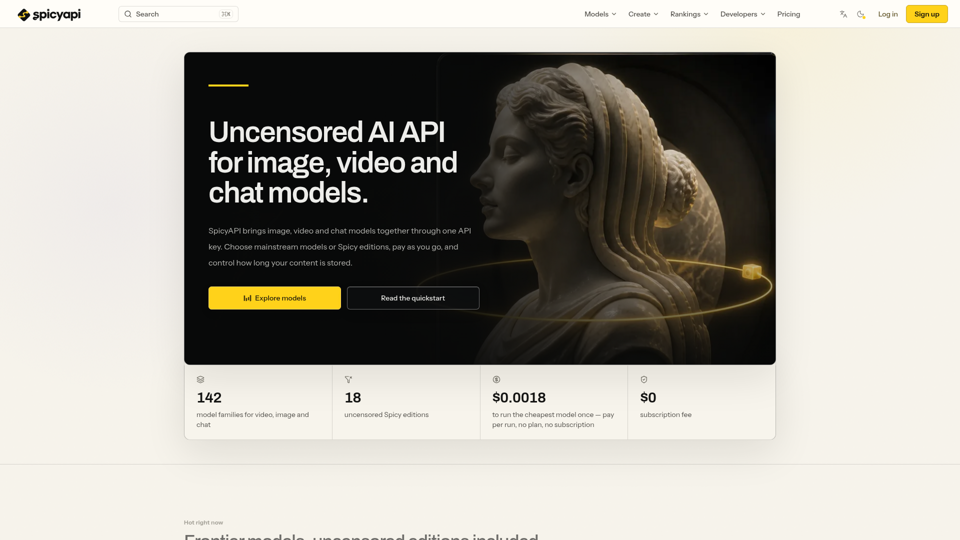
Uncensored AI API for image, video and chat. Access Seedance, Wan, MiniMax and more with one key, pay-as-you-go pricing and adjustable content retention.
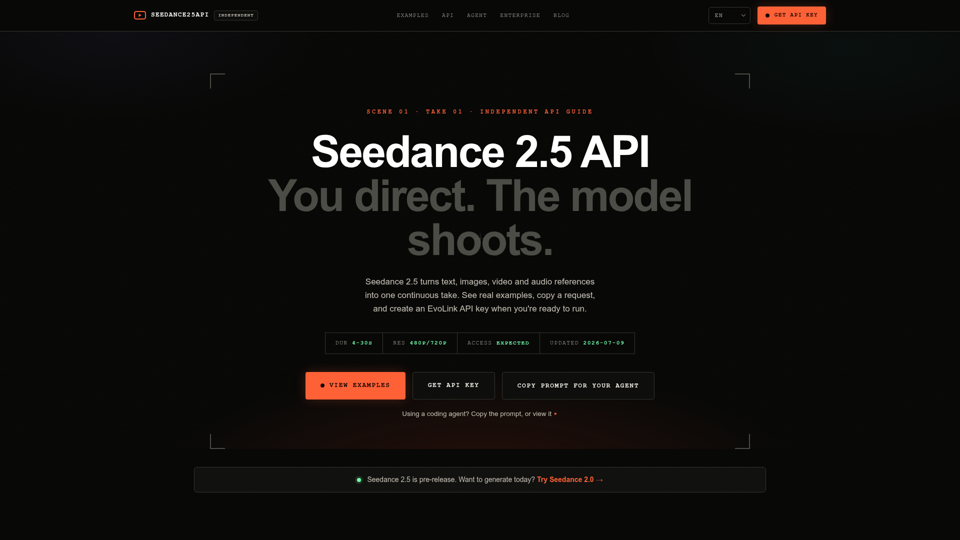
Use Seedance 2.5 API with a practical guide for developers and agents: current access status, billing model, request builder, real code examples, and API key handoff.
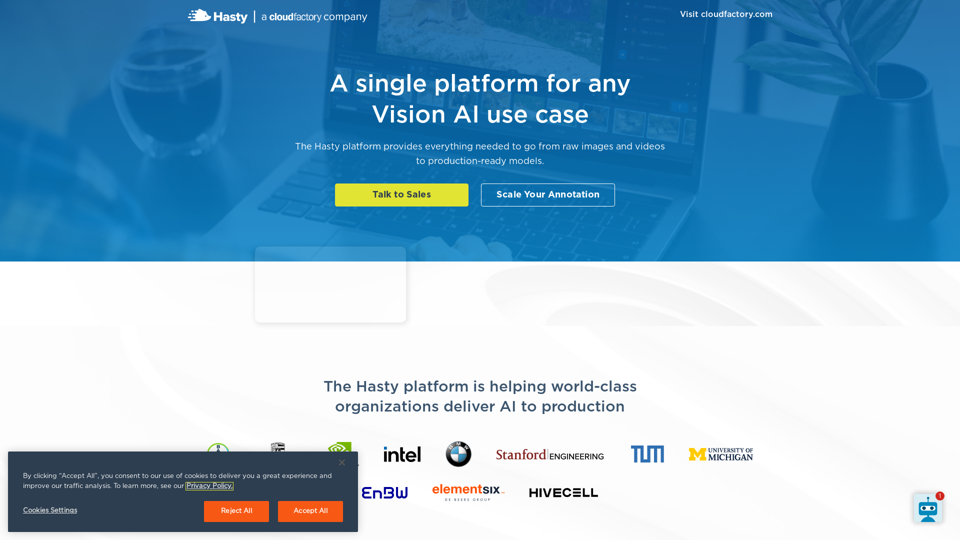
Everything you need to go from raw images or videos to production-ready model in one tool. No MLops skills or tricky integrations needed.
Video, image, and GIF face swap API built for developers. Add face-swapping to your AI tool with minimal effort.