What is Key Person Insurance?
Key Person Insurance, often referred to as keyman or key man insurance, is a specialized form of business protection insurance. It is a policy taken out by a business on the life or health of an individual who is considered critical to the company's financial success and operational continuity. This typically includes directors, founders, senior executives, or employees with unique skills, essential client relationships, or specialized knowledge. The policy pays out a lump sum to the business itself if that key person dies or is diagnosed with a specified critical illness. This financial injection is designed to help the company survive the immediate financial shock, cover lost profits, fund the recruitment and training of a replacement, and ensure business stability during a difficult transition period. It is a fundamental risk management tool for safeguarding a company's future against the unforeseen loss of its most valuable human assets.
What is the Main Feature of Key Person Insurance?
The paramount feature of Key Person Insurance is its role as a ### financial safety net for business continuity. It directly addresses one of the most significant yet often overlooked risks a company faces: dependency on key individuals.
- Direct Financial Protection for the Business
- Unlike personal life insurance where the payout goes to an individual's family, the key person insurance payout is made directly to the company. This capital can be used flexibly to cover a range of urgent costs, such as bridging revenue gaps, repaying business loans that were contingent on the key person, or covering ongoing operational expenses.
- Mitigates Recruitment and Replacement Costs
- Replacing a senior or highly specialized employee is expensive and time-consuming. The insurance payout can cover headhunter fees, recruitment advertising, signing bonuses, and extensive training programs for a new hire, ensuring the business can find a suitable successor without crippling cash flow.
- Enhances Credibility with Stakeholders
- Having key person cover in place demonstrates prudent management to banks, investors, and business partners. It provides reassurance that the company has a plan to withstand the loss of a key figure, which can be crucial for securing loans, attracting investment, and maintaining client confidence during due diligence processes.
- Tax Efficiency Potential
- When structured correctly for the benefit of the business (e.g., to indemnify against loss of profits), the premiums for key person insurance may be treated as a tax-deductible business expense, and the payout may be received tax-free, depending on HMRC guidelines and the policy's purpose.
How to Use Key Person Insurance?
Implementing key person insurance is a strategic process that involves identifying risk, quantifying it, and selecting the right policy.
- Identify Your Key People: Conduct a risk assessment to determine which individuals are truly irreplaceable in the short term. Consider founders, directors, top salespeople with major client portfolios, or technical experts with proprietary knowledge.
- Calculate the Cover Amount: Determine the appropriate level of coverage. This is typically calculated as a multiple of the key person's contribution to annual profits (e.g., 2-5 times), plus the estimated cost to recruit and train a replacement (often 6-24 months of their total compensation package). Online calculators or advice from a specialist broker can assist with this.
- Choose the Type of Cover: Decide between:
- Life Cover Only: Pays out on death.
- Critical Illness Cover: Pays out on diagnosis of a specified serious illness.
- Combined Cover: Offers comprehensive protection for both eventualities.
- Compare Providers and Obtain Quotes: Premiums and policy terms can vary significantly between insurers like Aviva, Legal & General, and Zurich. It is essential to compare quotes based on coverage, exclusions, and insurer reputation.
- Policy Set-Up and Ownership: The business applies for the policy, pays the premiums, and is the legal owner and beneficiary. The key person insured is typically required to undergo medical underwriting. The policy is then maintained as an ongoing business expense for the duration of the cover term.
How Much Does Key Person Insurance Cost?
The cost of key person insurance in the UK is influenced by several factors and is generally more affordable than many business owners anticipate. Premiums are calculated based on the insured person's age, health, smoking status, the level of cover required, and the policy term.
- Typical Premium Ranges
- For a standard policy, businesses might expect to pay from ### £20 to £100+ per month.
- Basic Cover (e.g., £100,000 Life Cover): From around ### £20/month for a healthy, non-smoking key person aged 30-40.
- Comprehensive Cover (e.g., £250,000 Life & Critical Illness): From approximately ### £45/month.
- High-Level Protection (e.g., £500,000+ Cover): From about ### £85/month, often suitable for directors or founders in larger SMEs.
- Factors Affecting Price
- Younger and healthier individuals attract lower premiums. Adding critical illness cover increases the cost compared to life-only policies. The chosen term length and any specific policy features or riders will also impact the final price. It is crucial to compare multiple quotes to find the most competitive rate for the required level of protection.
Helpful Tips for Key Person Insurance
- Start Early
- Insure key people when they are younger and healthier to lock in lower premium rates for the long term.
- Regularly Review Coverage
- Reassess your key person insurance needs annually or after significant business events (e.g., rapid growth, new funding rounds, or changes in senior roles) to ensure coverage remains adequate.
- Consider Shareholder Protection in Tandem
- For businesses with multiple owners, key person insurance protects the company's finances, while shareholder protection insurance ensures a smooth transition of ownership. They are complementary solutions.
- Understand the Tax Position
- Consult with an accountant to understand the specific tax implications for your business regarding premium deductibility and the tax treatment of any potential payout, as this depends on the policy structure and its business purpose.
- Clarify the "Key Person" Definition
- Work with your provider or broker to clearly define what constitutes a claimable event and ensure the policy wording aligns with your business's understanding of the key person's role.
- Plan for Departures
- Have a strategy in place for if the insured key person leaves the company. Options usually include cancelling the policy, transferring it to a new employee (subject to underwriting), or converting it to a personal policy for the departing individual.
Frequently Asked Questions about Key Person Insurance
Who really needs key person insurance?
Any business that would suffer a substantial financial loss from the death or critical illness of a founder, director, or key employee needs this insurance. This is particularly critical for SMEs, startups, professional service firms, and family businesses where success is closely tied to specific individuals.
Is the payout from key person insurance taxable?
The tax treatment of the lump-sum payout can be complex. If the policy is set up to compensate the business for a loss of trading profits, the payout is generally treated as a trading receipt and may be subject to Corporation Tax. However, if it compensates for a capital loss (like a drop in company value), it may be treated as a capital receipt. Professional advice from an accountant is essential.
Can we insure more than one key person?
Absolutely. It is common and often advisable for businesses to take out multiple key person policies on several crucial individuals. Each policy is tailored to the specific person and their value to the business.
What happens if the key person leaves the company?
If the insured employee leaves, the business has several options: it can cancel the policy (with no further premiums), attempt to transfer the cover to a new key person (which would require new underwriting), or, in some cases, the policy can be assigned to the departing individual for them to continue personally.
What's the difference between key person insurance and relevant life cover?
Key person insurance protects the ### business financially. Relevant life insurance is a death-in-service benefit set up by the business for an ### employee or director; it is a tax-efficient way to provide a personal life insurance benefit where the payout goes to the employee's family, not the company.
How long does key person insurance coverage last?
Policies are typically written on a ### term basis, aligning with the period the person is expected to be key to the business (e.g., 5, 10, or 20 years, or until a planned retirement age). The cover expires at the end of the term unless renewed.
Key Person Insurance UK
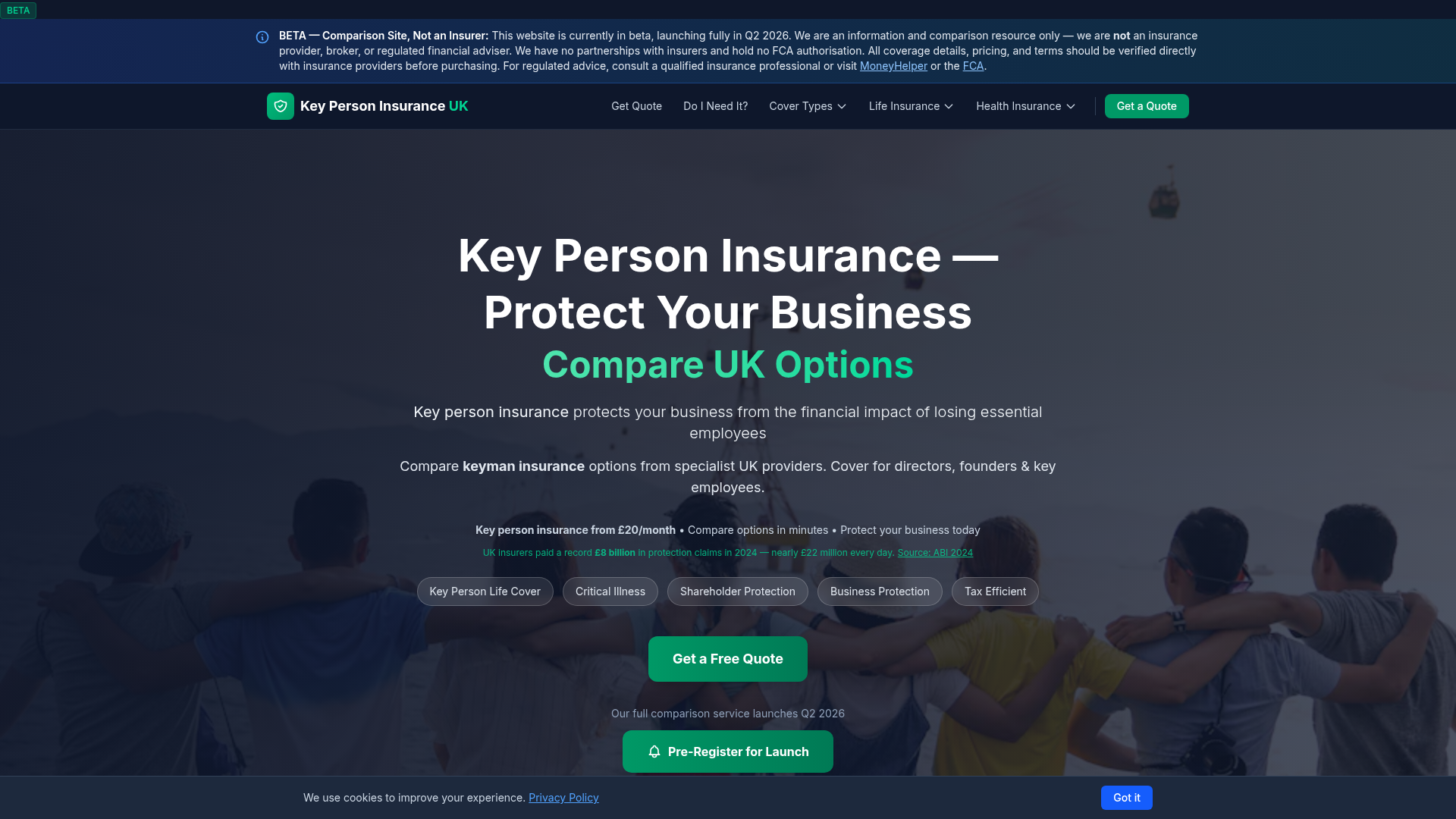
Key person insurance protects your UK business from losing essential staff. Compare keyman insurance options, costs & providers. Life cover, critical illness & shareholder protection from £20/month.
 Vercel
Free AI anime and manga generator. Turn text into anime episodes, manga, comics, webtoons and comic shorts in any art style — no drawing or animation skills needed.
Translate image text across 70+ languages with our advanced AI Image Translator to help you better expand your products globally to various countries
Advertised Here
Reach thousands of visitors daily. Get your spot now!
Tools similar to Key Person Insurance UK
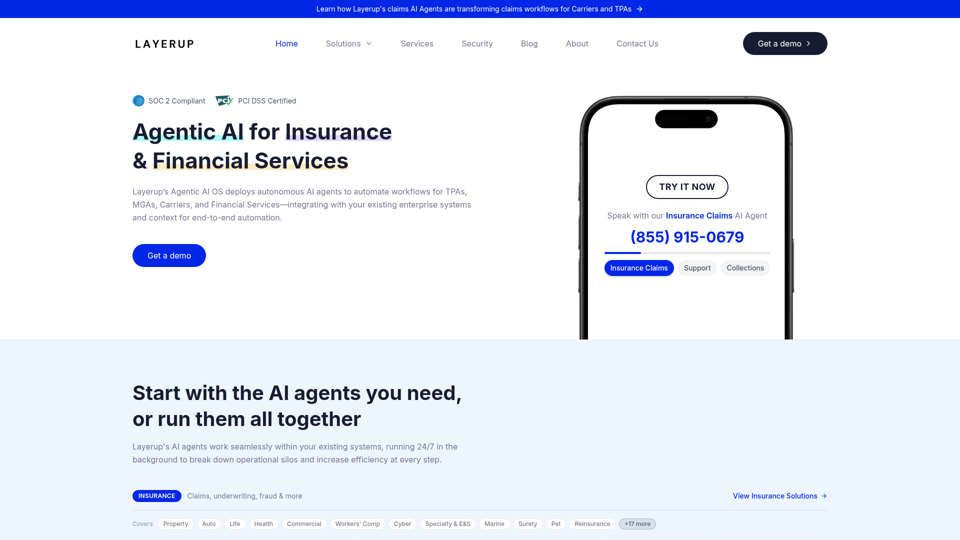
Transform financial operations with Layerup's AI agents for insurance and financial services. Designed for insurers, Layerup automates complex processes like underwriting, claims, and policy servicing, while also handling collections, mortgage processing, customer service, and loan origination with compliant conversational AI. SOC 2 & PCI certified voice AI agents for insurance claims, payment reminders, debt collection, and customer support.

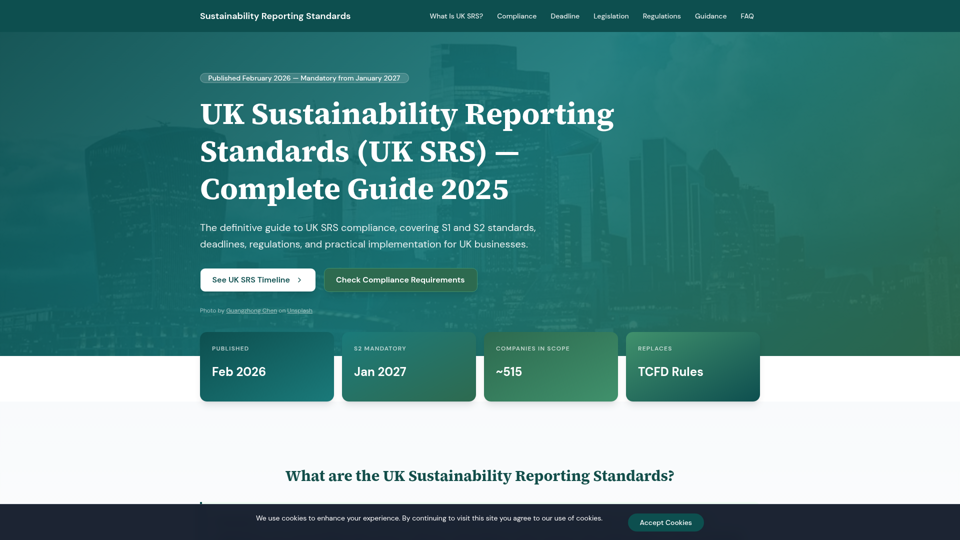
The independent reference for UK Sustainability Reporting Standards (UK SRS). Standards, timeline, scope, and compliance guidance for listed companies.
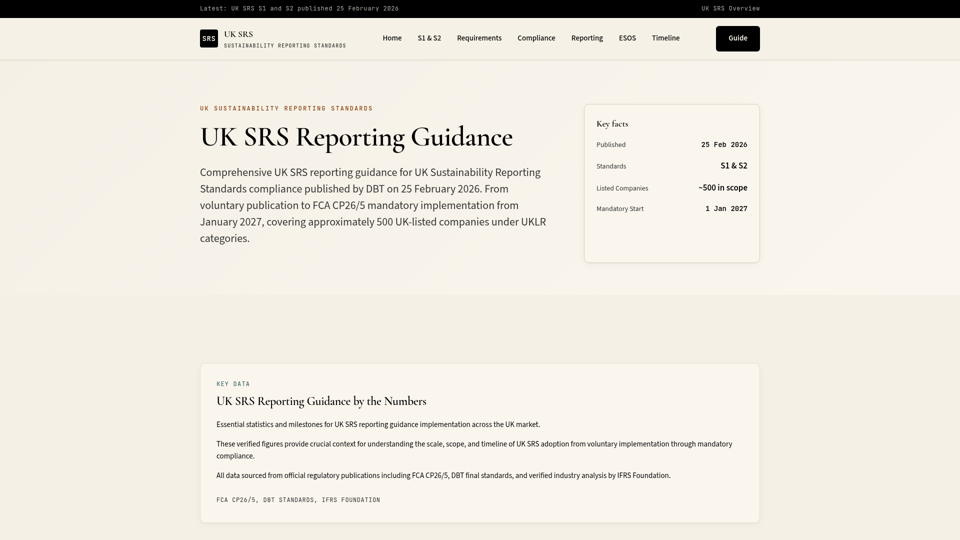
UK SRS implementation guidance covering standards, deadlines, and compliance requirements for UK Sustainability Reporting.
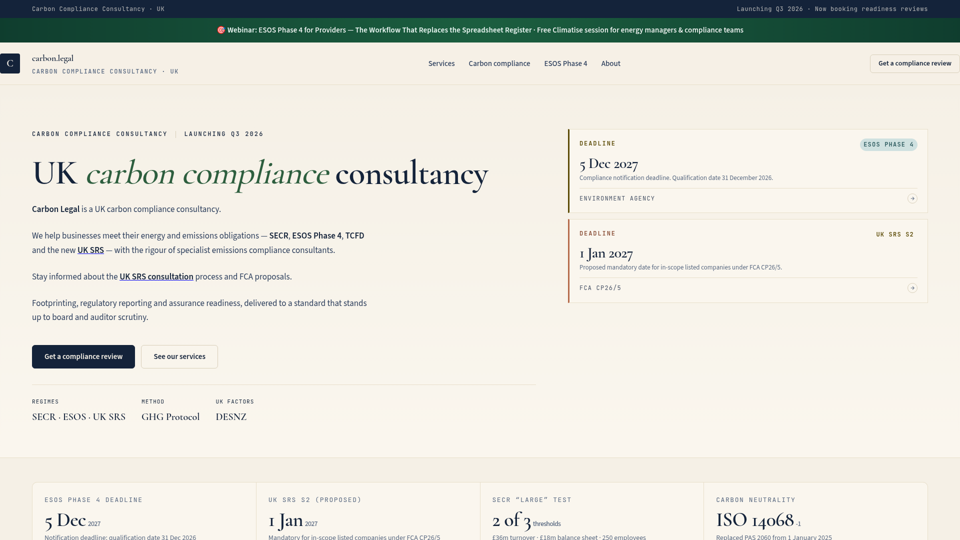
Carbon Legal is a UK carbon compliance consultancy. Specialist emissions compliance consultants for SECR, ESOS Phase 4, TCFD and UK SRS — footprinting, reporting and assurance readiness. Launching Q3 2026.
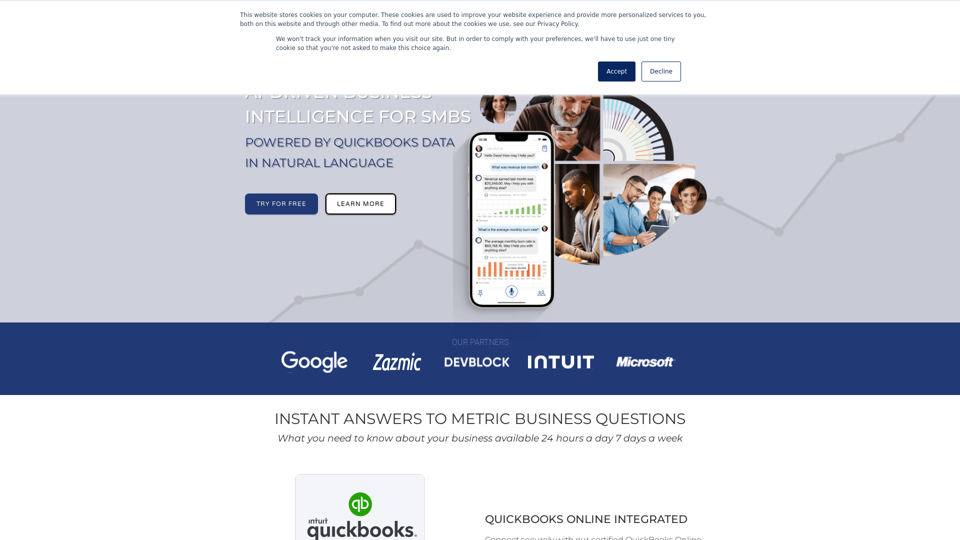
OLY.AI provides AI-powered solutions to streamline bookkeeping for QuickBooks Online users. Enhance your financial management with real-time budget tracking, sharable pinboards, and advanced insights. Try OLY.AI today! AI bookkeeping, QuickBooks Online integration, bookkeeping software, real-time budget tracking, financial insights, bookkeeping partners, AI for bookkeepers, OLY.AI, AI financial tools, QuickBooks AI solutions